






The Complete Guide to Fragrance Concentrations: EDT, EDP and Extrait
Walk into any fragrance retailer in the UK and you will encounter a wall of terminology that nobody explains: Eau de Toilette, Eau de Parfum, Extrait de Parfum, Parfum, Cologne. These are not marketing labels. They are genuine technical distinctions that tell you something specific and important about the fragrance you are considering — how it was made, how it will perform on your skin and whether it will last through a full day or disappear by mid-morning.
Understanding fragrance concentration is the single most useful piece of knowledge a UK fragrance buyer can have. It is more directly relevant to your daily experience than any review, any note description or any recommendation. This guide explains every major concentration clearly, tells you what each one actually means in real wear and gives you the framework to choose the right format every time.
What Is Fragrance Concentration?
Fragrance concentration refers to the percentage of aromatic compounds — the actual fragrance material — dissolved in the carrier solution, which is typically alcohol and water. The higher the concentration, the more fragrance material is present in every spray, and the deeper, richer and longer lasting the result on skin.
This is why two fragrances from the same brand with the same name but different concentration designations can smell noticeably different as well as performing differently. The concentration does not simply make the fragrance louder — it changes how it opens, how it develops and how it settles on skin over the course of wear. A higher concentration typically reveals more complexity in the base notes and produces a richer, more evolved dry-down than the lighter version of the same composition.
The Fragrance Concentration Scale Explained
Eau de Cologne (EDC) — The Lightest Format
Eau de Cologne is the lightest widely available spray fragrance concentration, with aromatic compound content typically between 2–5%. The result is a very light, fresh fragrance that projects briefly and fades relatively quickly on skin. The term 'cologne' is widely misused in the UK and often applied generically to any men's fragrance, but technically it refers specifically to this low-concentration format. EDC is appropriate for very casual, light and ephemeral fragrance experiences but offers little in the way of longevity for UK daily wear.
Eau de Toilette (EDT) — The Mainstream Standard
Eau de Toilette sits at approximately 8–12% fragrance oil concentration and is the most common format in mainstream UK fragrance retail — the majority of fragrances sold in UK department stores and high street retailers are EDT. It offers reasonable projection on initial application with moderate longevity that typically holds well in cooler British conditions but can fade in warmth. For UK buyers accustomed to designer fragrance from high street brands, EDT is likely what they know best — and for many, the format they have already found wanting in terms of longevity.
EDT is a perfectly valid format for lighter, fresher compositions where depth and longevity are less important than immediate airiness. It becomes limiting when UK buyers want their fragrance to hold through a full working day without reapplication.
Eau de Parfum (EDP) — The UK Arabic Fragrance Standard
Eau de Parfum, with fragrance oil concentration typically between 15–20%, is the format that best matches what UK fragrance buyers actually want from their fragrance. It delivers genuine projection, meaningful longevity that holds through the full British working day in most conditions, and the kind of rich scent development — opening notes giving way to a heart and settling into a base — that makes wearing a quality fragrance genuinely rewarding rather than merely functional.
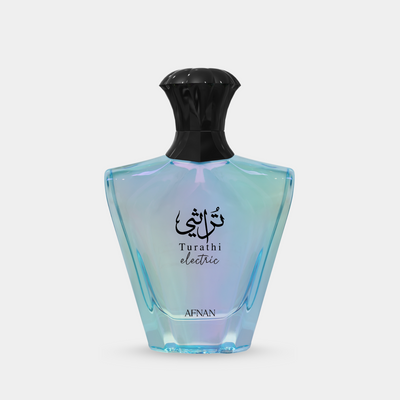
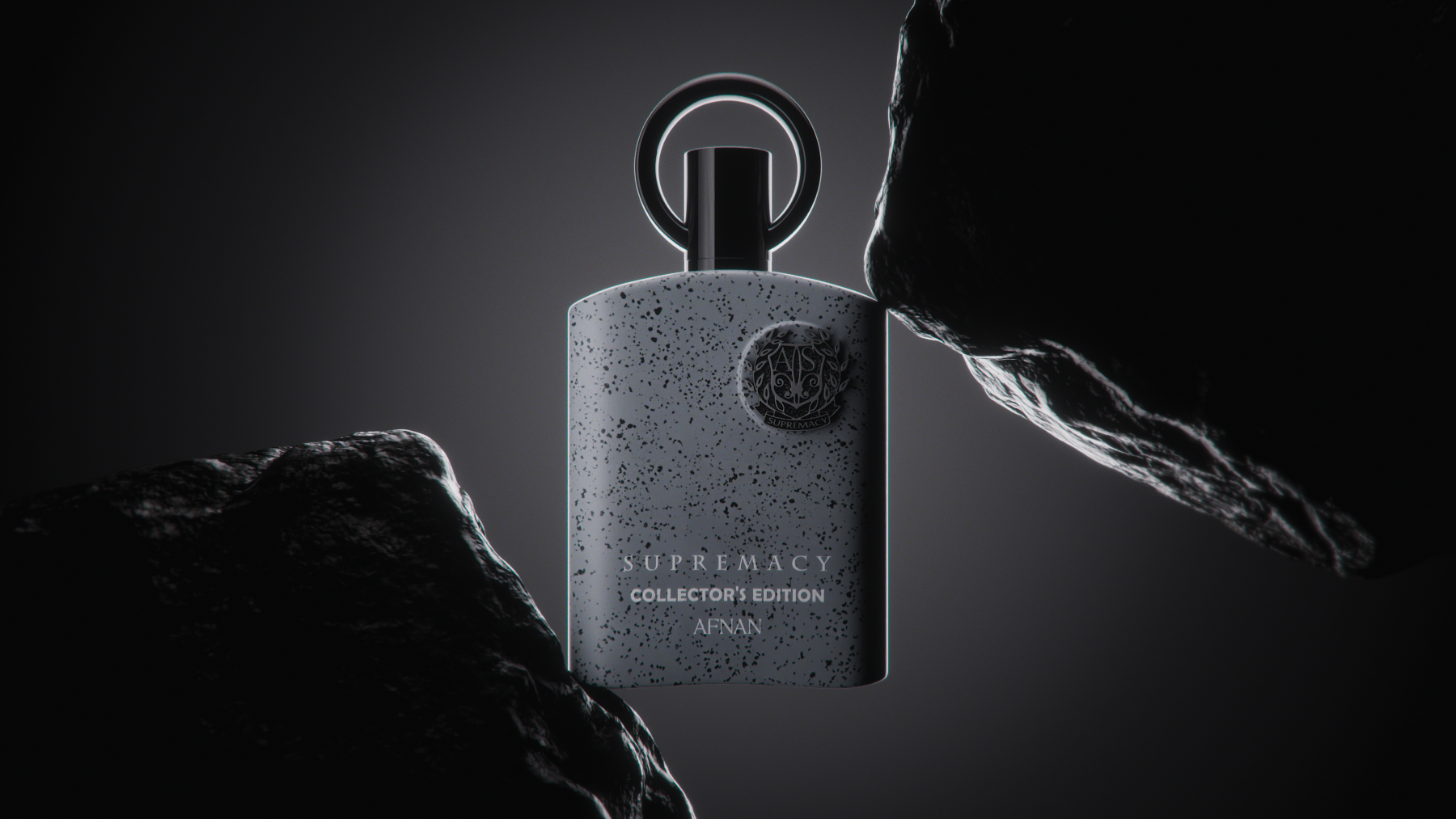
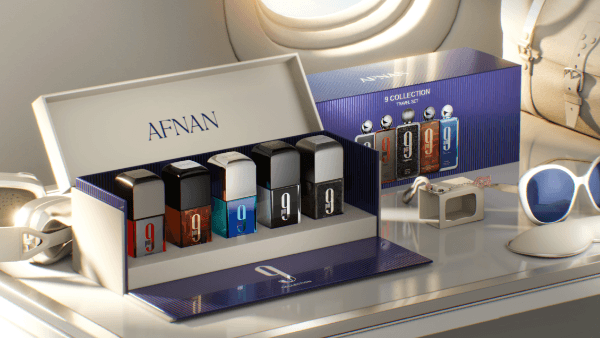
EDP is the standard format across Afnan's UK collection and the recommended starting point for any UK buyer new to Arabic fragrance. The higher oil concentration relative to EDT means Arabic EDP performs with the authority and staying power that the UK fragrance community consistently cites as their primary reason for switching to Arabic fragrance from mainstream western alternatives. 9PM, Supremacy Silver, Turathi Blue, Cherry Bouquet — all EDP, all genuinely long lasting in British conditions.
Extrait de Parfum — Maximum Concentration for Serious UK Buyers
Extrait de Parfum, also called simply Parfum or Pure Parfum, carries fragrance oil concentration typically between 25 and 40 per cent — making it the most potent spray format available. The result is fundamentally different from EDP, not simply more intense. An extrait opens with immediate depth and authority, develops with extraordinary aromatic complexity as it wears and settles into a base that holds on skin with outstanding persistence.
The alcohol content in extrait is lower than in EDP, which means the opening is less sharp — there is no burst of alcohol on initial application, just immediate fragrance depth from the first spray. One or two applications are typically sufficient for a full day of British wear. The per-application economy of extrait means that despite the higher bottle price relative to EDP, the cost per wear is often comparable or lower.
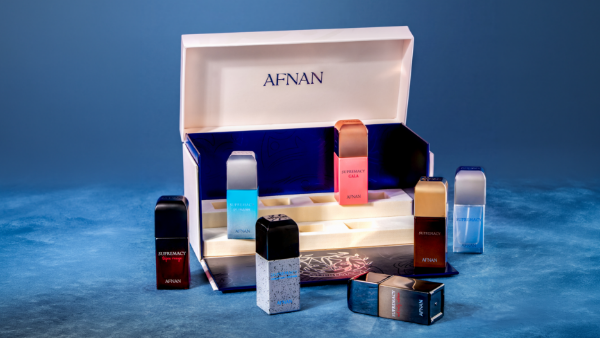
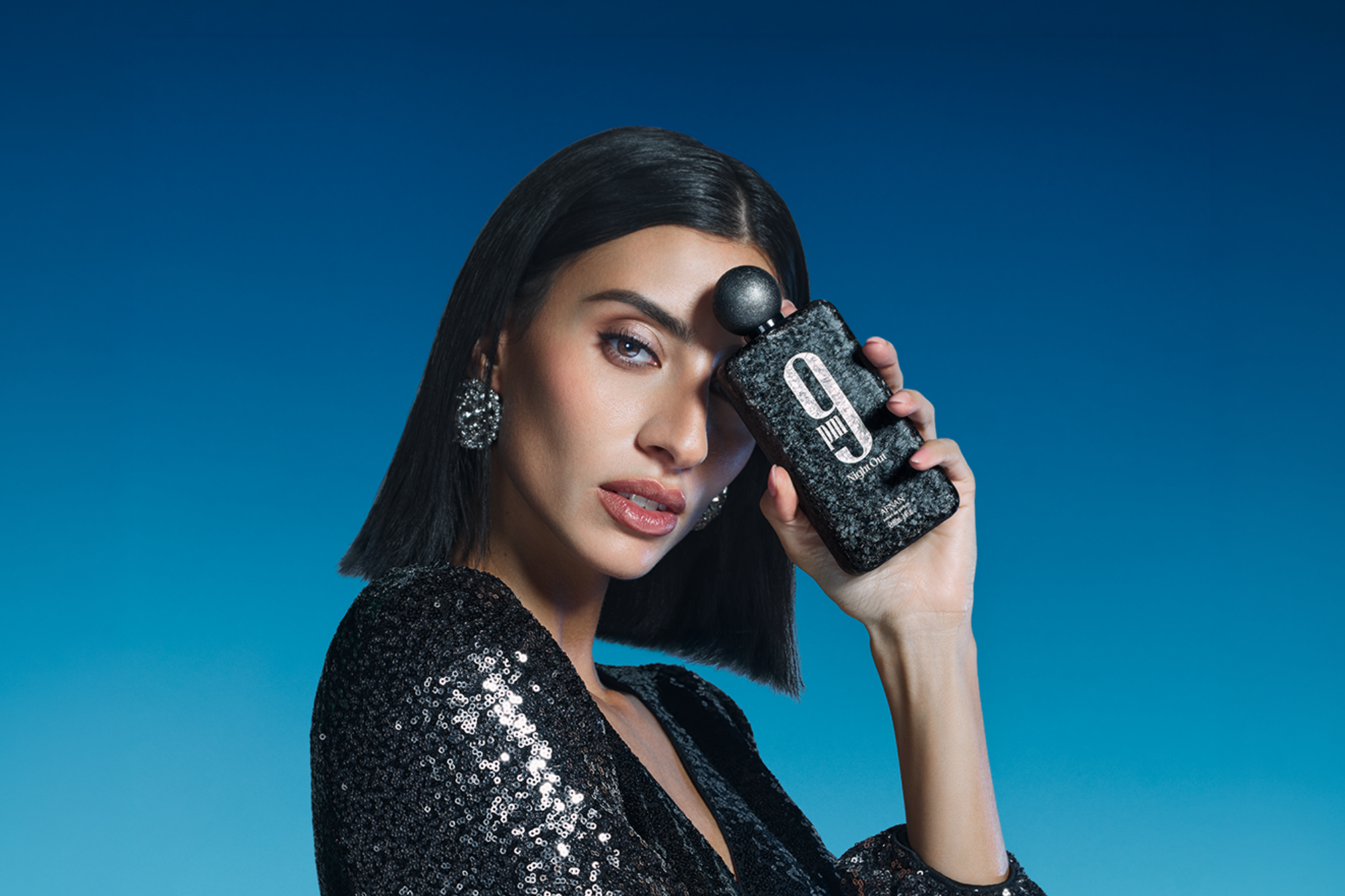
Afnan's extrait range for UK buyers includes 9PM Night Out (spicy-amber-fruity), Supremacy Not Only Intense (fruity-amber), Edict Amberythme (amber-leather-woody) and Portrait Abstract (woody-leather) — each representing Arabic fragrance at its most concentrated, most complex and most long lasting.
Concentrated Perfume Oil (CPO) — The Original Arabic Format
Outside the alcohol-based spray concentration system sits concentrated perfume oil — the original and oldest Arabic fragrance format. CPO carries no alcohol at all. The aromatic compounds are dissolved in a carrier oil that bonds directly with skin warmth, developing slowly and intimately across wear without the initial projection of a spray format.
CPO is fundamentally different from spray fragrance in character: it is skin-close, personal and builds gradually rather than announcing itself on application. For UK buyers who want alcohol-free, vegan-friendly fragrance or who are specifically seeking the most authentic arabic fragrance experience, CPO is the definitive format. Afnan's Silver Musk, Musk Abiyad and Dehn Al Oudh Abiyad CPOs represent this tradition in the UK range.
Which Concentration Is Right for You?
- Daily professional wear in British office environments — EDP is the correct choice. Enough projection to be present, refined enough not to overwhelm.
- Evening occasions, formal events or nights out — Extrait de Parfum delivers maximum presence and holds through the full evening without reapplication.
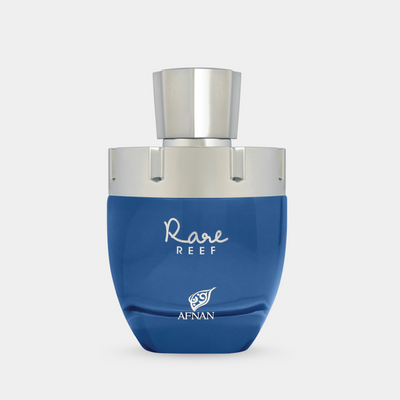
- Casual light daytime wear in warm British months — EDP at the lighter end of the range (9AM Dive, Lynked Freedom, Rare Reef) or EDT if you specifically want minimal projection.
- Alcohol-free, skin-kind or vegan-friendly fragrance — CPO is the definitive format and the most authentic Arabic fragrance experience available.
- Layering for maximum longevity — apply CPO to pulse points first as a base, then spray EDP over the top. The oil anchors the spray and significantly extends how long both last.
Frequently Asked Questions — Fragrance Concentrations UK
What is the difference between EDT and EDP?
Eau de Toilette contains approximately 8–12% fragrance oil, while Eau de Parfum contains approximately 15–20%. EDP projects more richly, lasts noticeably longer and typically reveals more complexity in the base notes than EDT. For UK buyers who find their fragrance fades too quickly, switching from EDT to EDP is usually the most direct solution.
Is EDP or extrait better for long lasting wear in the UK?
Extrait de Parfum lasts longer than EDP in virtually every condition. The higher concentration means more fragrance material bonds with skin and holds through the day. For UK buyers who specifically want maximum longevity — particularly for evening occasions or formal events — extrait is the superior choice. For everyday British wear, a quality Arabic EDP delivers more than sufficient longevity for most people.
Does higher concentration always mean stronger fragrance?
Not exactly. Higher concentration means more fragrance material per spray, but this affects character as well as intensity. An extrait of the same composition as an EDP often smells warmer, deeper and more complex rather than simply louder — because the lower alcohol content means the base notes are more immediately present and the opening is less sharp. Higher concentration fragrance is often described as more intimate rather than more powerful.
What is the best fragrance concentration for beginners in the UK?
EDP is the ideal starting point for UK buyers new to fragrance, particularly Arabic fragrance. It delivers genuine longevity and projection that makes the quality of the composition clearly apparent, without the intensity of extrait which can feel overwhelming on initial encounter. Start with an EDP, understand the composition across several wearings, then decide whether you want to step up to extrait for maximum performance.
Is concentrated perfume oil the same as extrait de parfum?
No — they are fundamentally different formats. Extrait de Parfum is an alcohol-based spray with very high fragrance oil concentration. Concentrated perfume oil is alcohol-free, applied directly to skin from a rollerball or dabber and carried in an oil base rather than alcohol. CPO projects at a more personal, skin-close level while extrait projects more openly. CPO is the traditional Arabic fragrance format; extrait is the western niche fragrance industry's highest spray concentration.
Which Afnan fragrances are available as extrait in the UK?
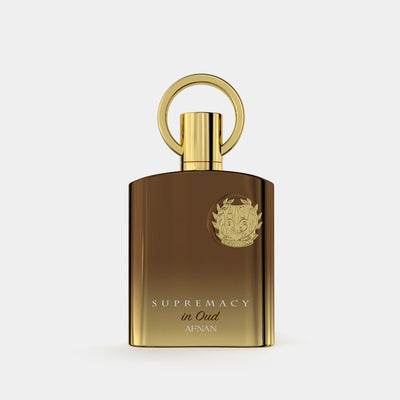
Afnan's UK extrait de parfum range includes 9PM Night Out (spicy-amber-fruity), 9PM Elixir (amber-leather-spice), Supremacy Not Only Intense (fruity-amber), Supremacy in Oud (musk-oud-spice), Edict Amberythme (amber-leather-woody), Portrait Abstract and Portrait Revival (woody-leather). All are available with fast UK delivery from uk.afnan.com.
Does extrait de parfum work out more expensive per wear than EDP?
Not necessarily. Because extrait requires only one or two sprays to achieve full performance, whereas EDP may require three or four, the per-application cost difference is much smaller than the bottle price difference suggests. For buyers who apply fragrance generously or find EDP fades and they need to reapply, extrait often works out comparable or even more economical per actual day of wear.